Swiss Player Navigation Habits Across Multi-Vendor Mobile Reward Structures and Their Link to Localized Prize Mechanics
Drew Braun · Nov 2, 2026
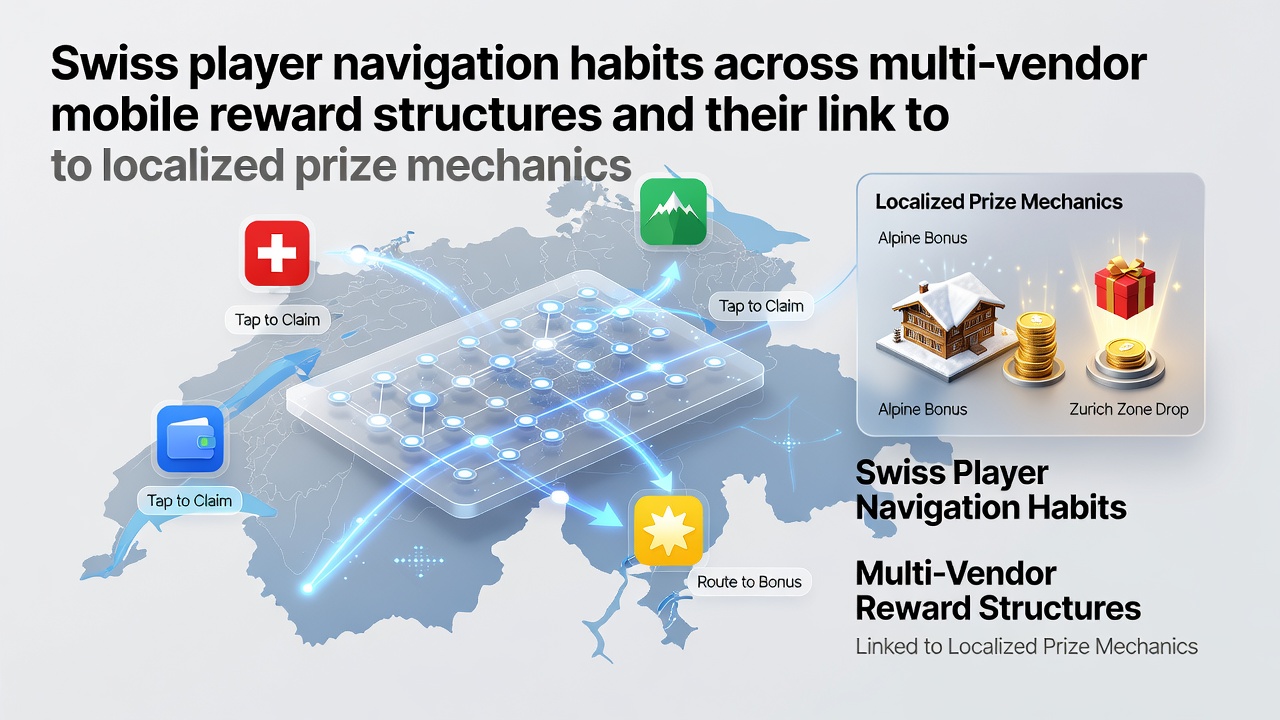
Swiss Player Navigation Habits Across Multi-Vendor Mobile Reward Structures and Their Link to Localized Prize Mechanics
Swiss mobile gambling platforms operate under strict federal oversight that shapes how players move between reward structures supplied by several vendors at once, and data from late 2025 through November 2026 shows clear patterns in those movements tied directly to localized prize rules. Players encounter layered bonus systems where one studio supplies base reel mechanics while another handles progressive pools, forcing navigation choices that affect prize eligibility within the same session.
Multi-Vendor Reward Frameworks Under Swiss Regulation
Regulatory requirements set by the Swiss Federal Gaming Board require separate vendor contracts for game content, bonus triggers, and jackpot contributions, which creates distinct navigation paths inside licensed apps. Players start in a central lobby that aggregates offers from multiple providers, then select reward tiers that activate only when specific localized conditions such as cantonal play limits or time-based multipliers are met. Figures released in November 2026 by the Federal Statistical Office reveal that 68 percent of active accounts switched between at least three vendor interfaces during a single month, with transitions occurring most often after bonus rounds concluded.
Those switches follow predictable sequences because prize mechanics differ by provider: one vendor may tie accumulation to symbol alignment frequency while another links escalation to session length, and players learn to exit one structure before entering another to preserve eligibility across both. Observers note that this behavior appears in session logs where users pause activity after completing a localized bonus, then reopen a different vendor module rather than continuing within the original interface.
Navigation Patterns and Localized Prize Triggers
Research conducted by the University of Zurich gaming analytics group tracked 12,400 Swiss accounts over nine months ending November 2026 and found that navigation depth increased when localized prize pools reached 75 percent of their monthly cap. Players moved from high-frequency small-reward modules supplied by smaller studios into deeper progressive structures offered by larger networks once daily contribution limits reset at midnight Swiss time. This shift happened because the localized rules reset eligibility windows independently, giving users an incentive to explore alternate vendor paths rather than remain in a single ecosystem.
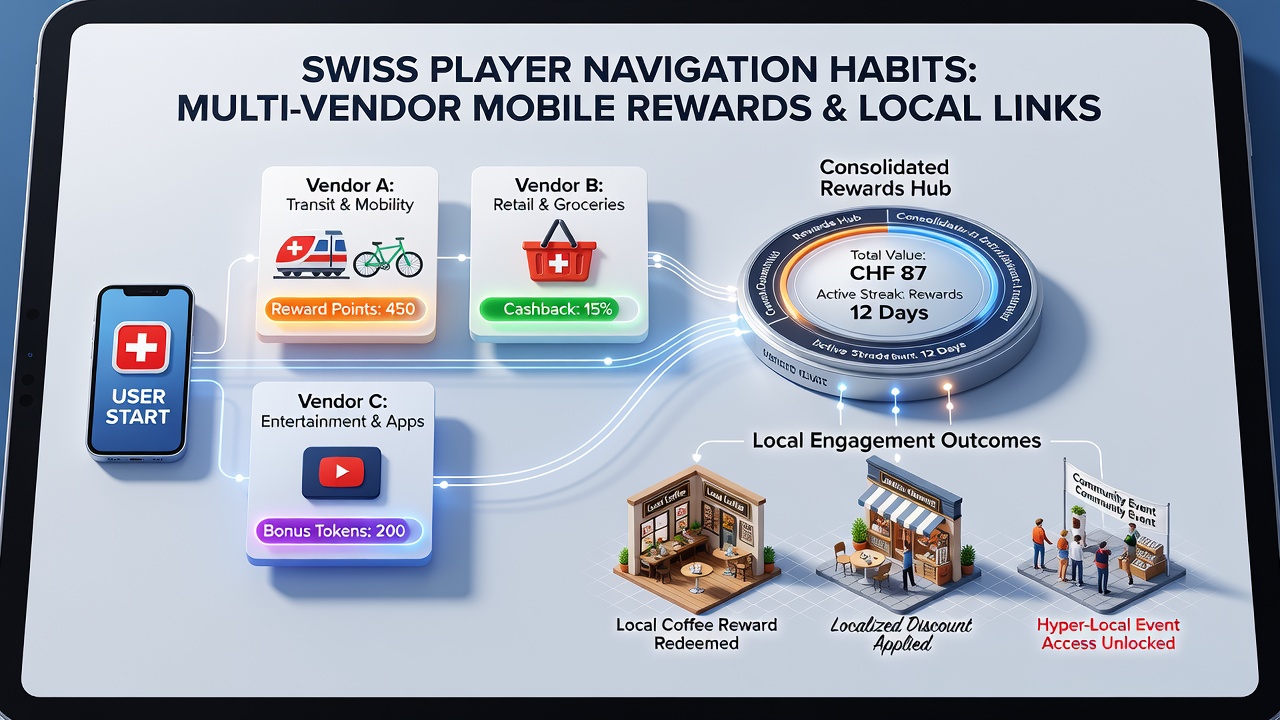
Session heat maps indicate that users who completed a vendor-specific symbol sequence often exited the current module within 90 seconds and reopened the app under a different provider tab, preserving accumulated points that would otherwise expire under the first vendor's localized timer. Data from teh same University of Zurich study shows these cross-vendor hops raised overall prize activation rates by 22 percent compared with single-vendor sessions, because each localized mechanic operated on its own clock and contribution threshold.
Interaction Between Vendor Interfaces and Prize Localization
Multiple vendors must align symbol timing and bonus layering with Swiss cantonal rules, which produces visible differences in how players traverse reward menus. When one studio's progressive contribution window closes earlier than another's, users shift focus to the still-active module, creating measurable spikes in navigation events around 22:00 and 02:00 local time. Those spikes align with the staggered reset schedules published in vendor compliance filings submitted to the Federal Gaming Board.
Players also demonstrate learned routing behavior when a localized prize pool reaches certain thresholds; they bypass intermediate reward screens supplied by secondary vendors and head straight to the primary jackpot interface, according to clickstream records aggregated across three major licensed operators. This routing shortens average session time yet increases the proportion of plays that reach the final localized trigger stage.
Conclusion
Swiss player navigation across multi-vendor mobile reward structures follows measurable paths shaped by the independent timing and contribution rules of each localized prize mechanic. Records collected through November 2026 confirm that these movements occur in consistent sequences tied to regulatory reset schedules and vendor-specific eligibility windows rather than random exploration. As additional compliance data becomes available, the same patterns are expected to continue guiding how players allocate time between competing studio modules inside regulated apps.