Online Slot Machines: Technology, Mechanics, and Global Reach
Ben Flores · Nov 16, 2026

Online Slot Machines: Technology, Mechanics, and Global Reach
Online slot machines operate through random number generators that determine outcomes on each spin, and developers build these systems on certified algorithms that meet standards set by regulatory bodies across multiple jurisdictions. Research from industry reports shows that these games account for a significant portion of digital casino revenue worldwide, with data indicating steady growth in participation rates since the early 2000s.
Core Technology Behind Digital Reels
Developers rely on pseudorandom number generators to produce results that mimic the unpredictability of physical reels, while software frameworks such as HTML5 enable seamless play across desktop and mobile devices without requiring additional downloads in many cases. Studies conducted by academic researchers have examined how return-to-player percentages are calculated and verified through independent testing labs, and figures from those examinations reveal that licensed operators must maintain transparency in publishing those rates for player review. Game studios integrate themes drawn from history, mythology, and popular culture into the visual design, yet the underlying mathematics remains consistent regardless of the aesthetic layer applied to the interface.
Categories and Variations in Gameplay
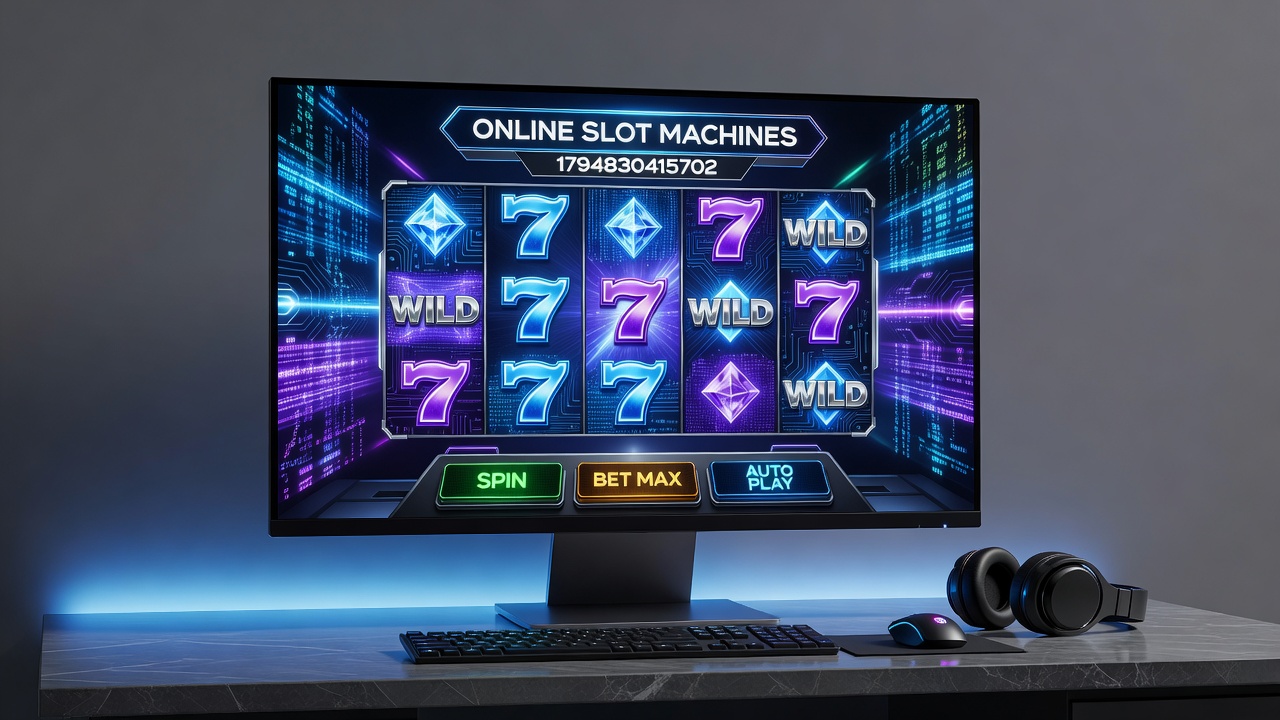
Classic three-reel formats continue to appear alongside five-reel video slots and those featuring multiple paylines or cluster mechanics, and each variation adjusts the frequency of symbol alignments while preserving the core randomness requirement. Progressive jackpot networks link machines across different platforms so that a portion of every wager contributes to a shared prize pool, and records maintained by network operators show that these pools have reached substantial totals in various regions. Players encounter bonus rounds, free spins, and multiplier features that activate based on specific symbol combinations, and system logs from testing facilities confirm that these triggers follow the same RNG protocols as base game spins.
Regulatory Frameworks Across Regions
Government agencies in different countries establish licensing requirements that include regular audits of game software and financial reporting obligations for operators, and authorities such as the Nevada Gaming Control Board enforce these rules within their jurisdictions. Data compiled by European regulatory bodies indicates that compliance standards influence the speed at which new titles reach the market, while similar oversight in Canadian provinces tracks player protection measures including deposit limits and self-exclusion tools. Industry associations publish annual summaries that detail the number of approved games and the volume of transactions processed through regulated platforms, providing observers with measurable trends over time.
Developers coordinate with multiple testing agencies to certify that each title meets fairness criteria before release, and those certifications appear in game information panels for verification. Observers note that integration of virtual reality elements has begun in select titles, allowing users to interact with three-dimensional environments while the underlying probability models stay unchanged. Reports from research institutions highlight demographic patterns in participation, showing variations by age group and geographic location without attributing causation to any single factor.
Developments Scheduled for Late 2026
Industry timelines indicate that several jurisdictions plan to introduce updated technical standards for online gaming systems in November 2026, with emphasis on enhanced encryption protocols and improved real-time monitoring of game integrity. These changes build on existing requirements and aim to align software architecture with evolving cybersecurity benchmarks, according to announcements from regulatory coordination groups. Testing laboratories have begun preparing validation procedures that will apply to both new releases and existing game libraries once the standards take effect.
Player Interaction Patterns and System Design
Analytics collected by platform operators reveal common sequences in how users adjust bet sizes and select payline configurations, and those patterns inform iterative updates to user interface elements. Game mathematics remains independent of individual session length, yet session data aggregated across large user bases allows researchers to identify average duration metrics that appear in published industry reviews. Developers incorporate adaptive sound design and animation pacing that responds to win frequency, and engineering documentation describes these features as enhancements to engagement without altering outcome probabilities.
Conclusion
Online slot machines continue to evolve through advances in software architecture, regulatory coordination, and cross-platform compatibility, while core principles of randomness and certified fairness persist across all licensed implementations. Information from multiple regulatory sources and technical studies provides a factual basis for understanding how these systems function and expand within the broader digital entertainment sector.