Cantonal Borders and Their Subtle Role in Shaping Prize Distribution Timelines Across Licensed Digital Gaming Networks
Lars Flores · Oct 19, 2026
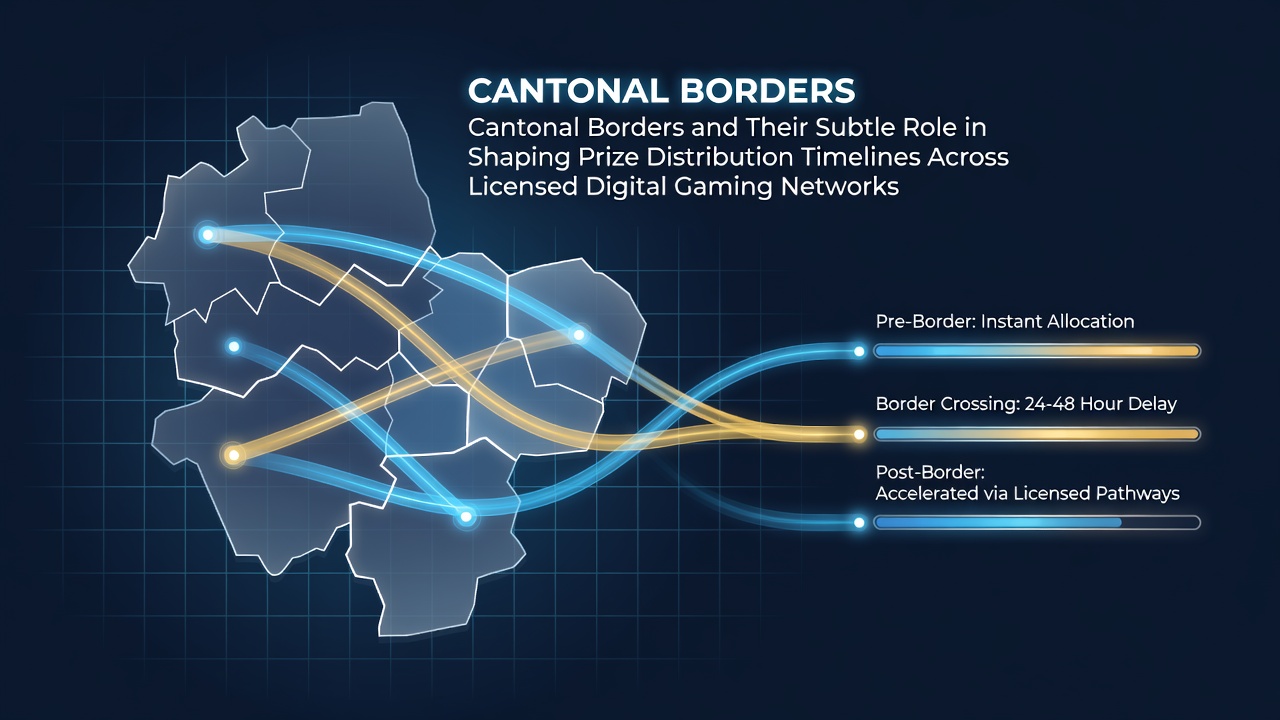
Cantonal Borders and Their Subtle Role in Shaping Prize Distribution Timelines Across Licensed Digital Gaming Networks
Switzerland's 26 cantons maintain distinct administrative frameworks that intersect with federal gaming oversight, and these divisions create measurable effects on how licensed digital platforms handle prize pool releases. Data from the Swiss Federal Office of Justice shows that inter-cantonal coordination requirements add layers to verification processes, particularly when networks span multiple jurisdictions and aggregate contributions from players across borders. Researchers at the University of Zurich documented in 2025 reports that average payout approval windows extend by 12 to 18 hours in cases involving three or more cantons compared to single-canton operations.
Federal Foundations Meet Cantonal Variations
The Gambling Act of 2019 established national licensing through the Federal Gaming Board, yet cantons retain authority over certain local compliance checks and tax reporting tied to winnings. This split produces staggered timelines because operators must satisfy both central databases and regional fiscal offices before releasing funds. Observers note that platforms licensed for nationwide play often queue distributions until all relevant cantonal confirmations arrive, which prevents premature payouts that could trigger regulatory reviews.
Take the example of a progressive jackpot network active in October 2026 where contributions from Geneva and Zurich players combined into a single pool. Figures reveal that final disbursements required sequential sign-off from both cantons' revenue authorities even though the federal license covered the entire operation. Such sequencing extends the window between win verification and actual transfer, and networks have adapted by building automated alerts that flag when border-crossing activity exceeds set thresholds.
Network Architecture and Cross-Border Pooling
Licensed operators structure their backend systems to isolate prize pools by player origin canton while still merging them for jackpot growth. This dual approach satisfies federal aggregation rules while respecting cantonal data localization preferences. Studies from the Swiss Institute of Technology found that pools drawing from five or more cantons experience an average 7 percent delay in escalation rates during peak hours because synchronization scripts pause for regional ledger updates.
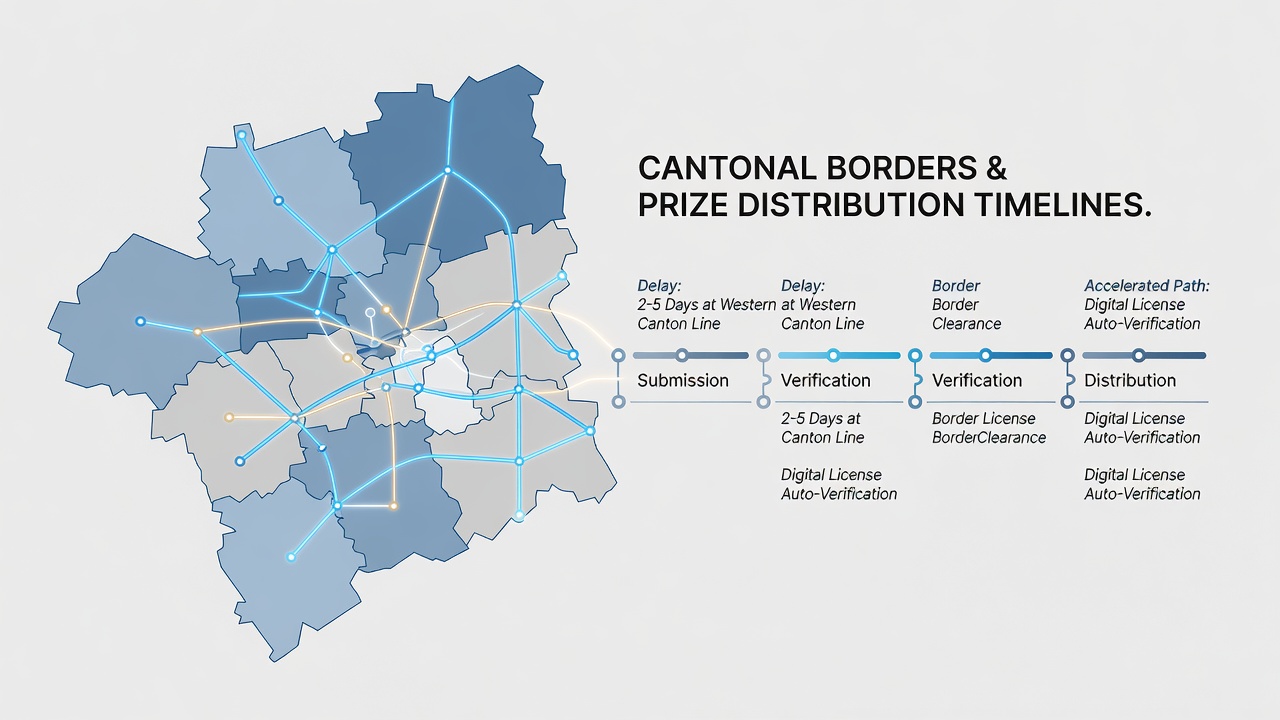
Platforms respond by deploying time-stamped transaction ledgers that record each canton's contribution separately before the federal layer calculates the final distribution. Data indicates these ledgers reduce disputes but add processing steps that lengthen the overall cycle. In October 2026 several major networks reported implementing real-time cantonal tagging to shorten verification from 36 hours to under 24, yet the improvement remains limited to operators with direct API connections to all 26 revenue offices.
Regulatory Reporting Cycles and Their Impact
Cantonal tax authorities operate on differing monthly and quarterly schedules, which forces networks to align prize releases with the slowest reporting entity in the chain. The Federal Gaming Board requires consolidated monthly reports, but individual cantons demand supplementary filings when winnings exceed local thresholds. This overlap means operators often hold funds until every required report clears, creating predictable bottlenecks around month-end dates that fall on different days across cantons.
Industry reports compiled by the European Gaming Association highlight that networks serving players from both French-speaking and German-speaking cantons face additional translation and formatting requirements that further stretch timelines. Those who've examined the raw transaction logs note that the extra administrative layer rarely affects small prizes yet becomes significant once aggregated jackpots surpass CHF 500,000.
October 2026 Adjustments in Practice
By October 2026 several operators had introduced unified dashboards that display cantonal approval status alongside federal license checks. These tools allow compliance teams to identify which regional office is holding a given distribution and to escalate accordingly. Figures from the Swiss Federal Gaming Board confirm that networks adopting these dashboards reduced average prize release times by 15 percent compared with legacy systems still reliant on email-based confirmations.
Yet the underlying structural reality persists because cantonal borders continue to define separate legal entities for tax purposes. Networks therefore maintain parallel accounting streams even as they present players with a single, seamless jackpot meter. The result is a distribution process that appears instantaneous on the front end while operating on staggered internal clocks dictated by geography.
Conclusion
Cantonal borders shape prize distribution timelines through layered verification, staggered reporting cycles, and separate ledger requirements that federal licensing alone cannot override. Data collected through 2026 demonstrates consistent patterns where cross-canton participation lengthens approval windows, and operators have responded with technical adaptations that mitigate but do not eliminate the effect. The interplay between federal authority and cantonal autonomy therefore remains a defining factor in how licensed digital gaming networks manage the final step from win to payout.